Rotten Column Replacement in Seattle, WA
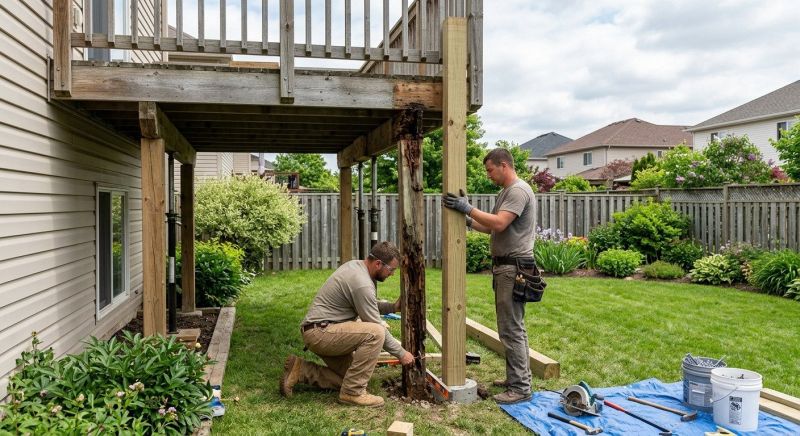
Rotten column replacement services address issues where structural support columns in a property have deteriorated due to rot, moisture damage, or decay. This service is commonly needed in residential and commercial buildings where wood or other materials supporting floors, decks, or roofs have become compromised. Property owners typically request this work when they notice signs of weakness, such as sagging floors, cracks, or visible decay around support columns, especially in older structures or those exposed to moisture.
Before requesting rotten column replacement, property owners should understand the extent of the damage and whether the affected columns are load-bearing. It’s important to evaluate the overall stability of the structure and consider if additional reinforcement or foundation work is necessary. Proper assessment can help determine the most effective solution to restore safety and stability, ensuring that the replacement process addresses both the immediate rot and any underlying issues contributing to moisture or decay.
Many property owners in Seattle, WA look into Rotten Column Replacement for repairs, replacements, upgrades, and appearance-related improvements.
Signs Of Rotten Columns
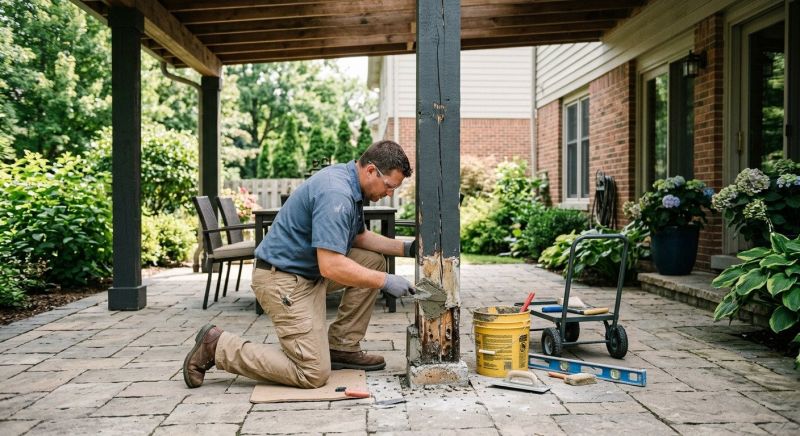
Structural issues or wood decay may indicate the need for column replacement.
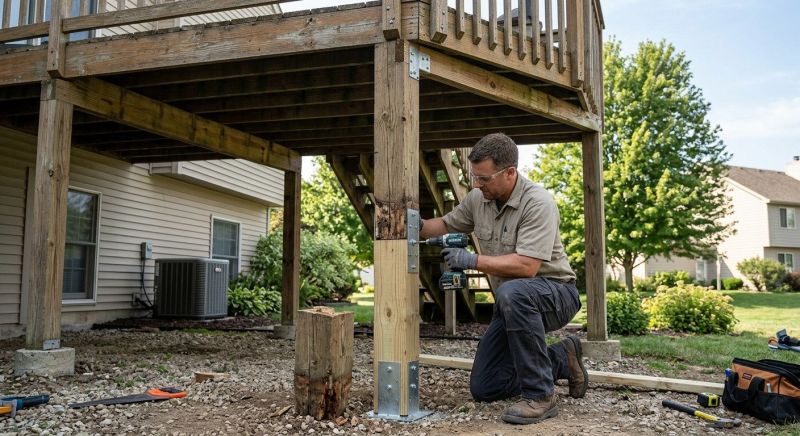
Benefits Of Replacement
Replacing rotten columns can improve safety and restore the integrity of your property.
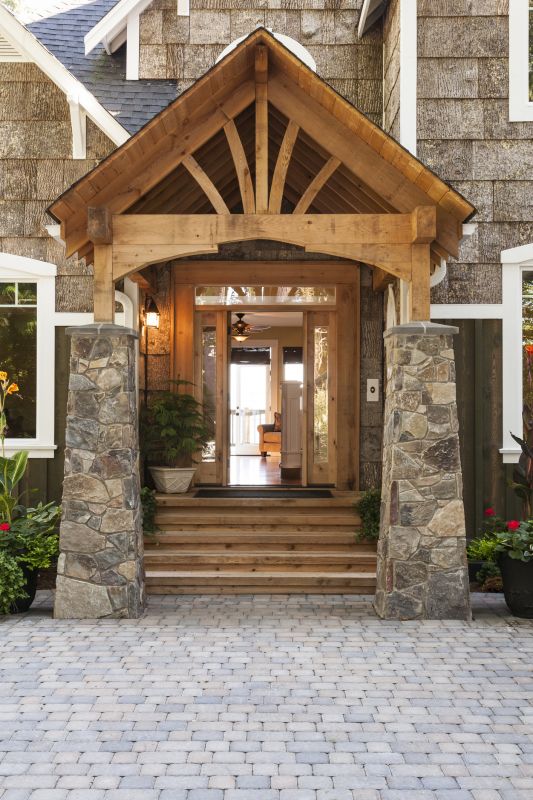
Common Replacement Projects
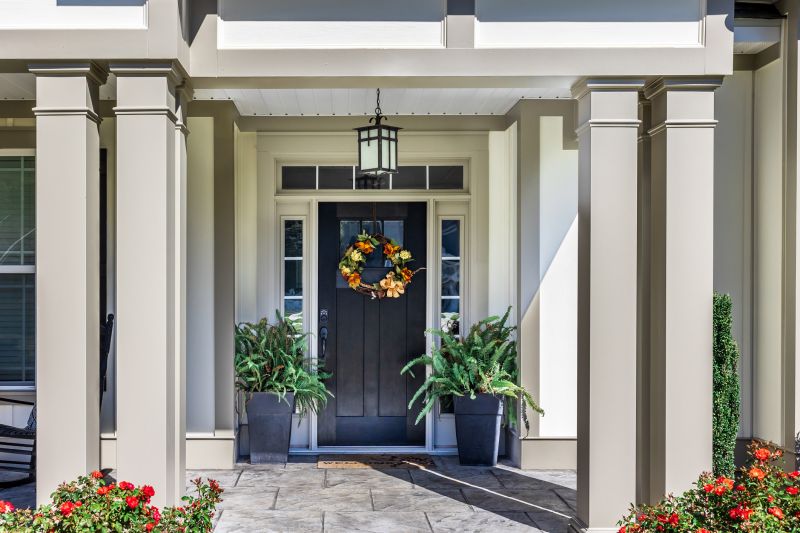
Many homeowners in seattle seek column replacement for porches, decks, and support beams.
Rotten Column Replacement in Seattle, WA
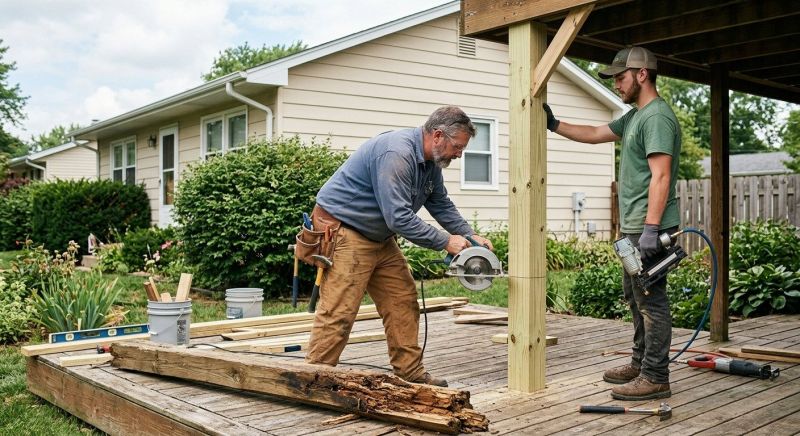
Rotten column replacement services address issues where structural support columns in a property have deteriorated due to rot, moisture damage, or decay. This service is commonly needed in residential and commercial buildings where wood or other materials supporting floors, decks, or roofs have become compromised. Property owners typically request this work when they notice signs of weakness, such as sagging floors, cracks, or visible decay around support columns, especially in older structures or those exposed to moisture.
Before requesting rotten column replacement, property owners should understand the extent of the damage and whether the affected columns are load-bearing. It’s important to evaluate the overall stability of the structure and consider if additional reinforcement or foundation work is necessary. Proper assessment can help determine the most effective solution to restore safety and stability, ensuring that the replacement process addresses both the immediate rot and any underlying issues contributing to moisture or decay.
Many property owners in Seattle, WA look into Rotten Column Replacement for repairs, replacements, upgrades, and appearance-related improvements.
Common Rotten Column Replacement Jobs
Rotten Column Replacement - involves removing and replacing damaged structural support columns.
Wood Column Replacement - restores stability by replacing rotted or compromised wood columns.
Concrete Column Replacement - replaces deteriorated concrete columns to maintain building integrity.
Steel Column Replacement - upgrades or replaces steel supports for enhanced strength and safety.
Post and Beam Replacement - restores support systems in residential or commercial structures.
Column Repair and Replacement - addresses signs of decay or damage to prevent further structural issues.
Rotten Column Replacement Questions
What causes a column to rot? Moisture exposure, wood decay, and age can lead to rot in columns over time.
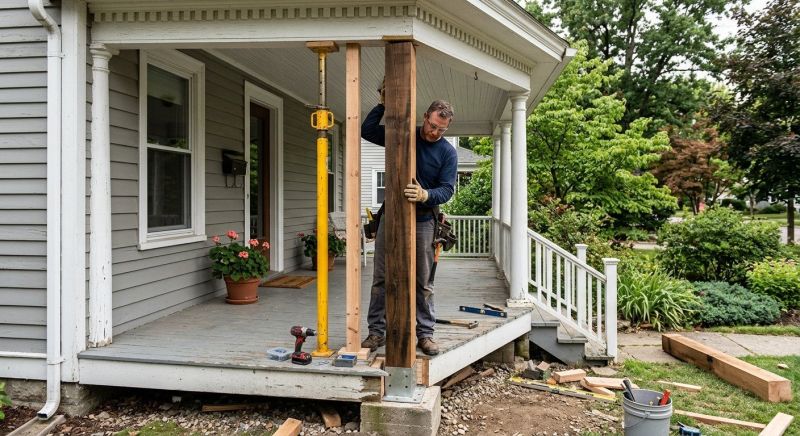
How is a rotten column replaced? The process involves removing the damaged column and installing a new one that matches the existing structure.
Can a rotten column affect property safety? Yes, compromised columns can weaken structural support and should be addressed promptly.
What signs indicate a column needs replacement? Visible rot, cracks, sagging, or deterioration are common indicators of a need for replacement.
Request Rotten Column Replacement in Seattle, WA
Use the quote form on this page to share the basics of your project and request more information for the type of work you need.