Get Handicap Ramp Installation
Local contractors can install handicap ramps to improve accessibility for individuals with mobility challenges on residential or commercial properties.
If you are considering a handicap ramp installation, you are in the right place to explore your options. Property owners in the area often look into installing ramps to improve accessibility and ensure safer, more convenient entryways. Whether for a residential property, commercial space, or public building, planning this kind of project involves understanding the different solutions available and choosing the right fit for specific needs. Comparing services from local contractors can help identify the best approach to meet accessibility requirements while maintaining the property’s functionality and appearance.
Continuing with your planning process involves learning about the range of services offered by local providers who specialize in handicap ramp installation. These service providers can assist in designing and installing ramps that comply with accessibility standards and suit the unique layout of each property. By reviewing local options, property owners can make informed decisions about the most suitable solutions for their space, ensuring the project aligns with practical needs and accessibility goals. Keep reading to discover how to connect with experienced local contractors who can help bring your project to life.
- Residential Homes - homeowners may need handicap ramp installation to improve accessibility within their living spaces.
- Public Buildings - public facilities often require ramps to comply with accessibility standards for visitors with mobility challenges.
- Commercial Properties - businesses might seek ramps to ensure their premises are accessible to all customers and employees.
- Multi-family Complexes - apartment complexes and condos may need ramps to accommodate residents with mobility needs.
- Medical Facilities - clinics and hospitals often require ramps to assist patients and visitors with limited mobility.
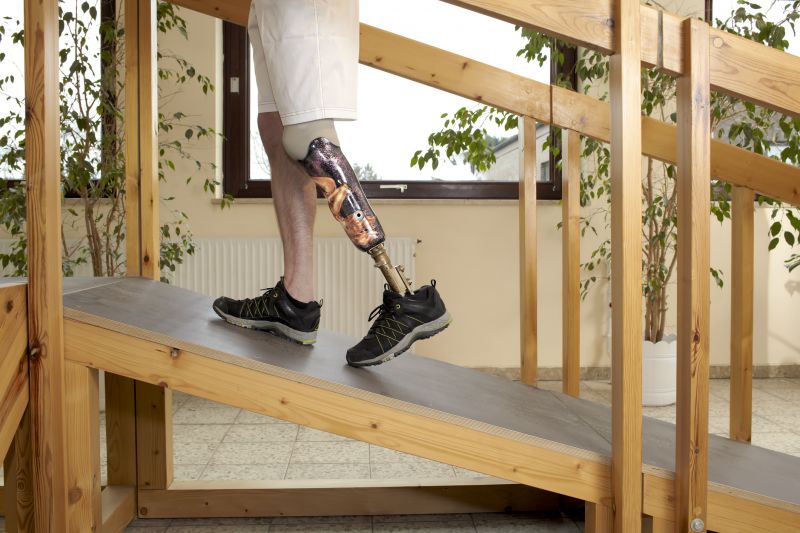
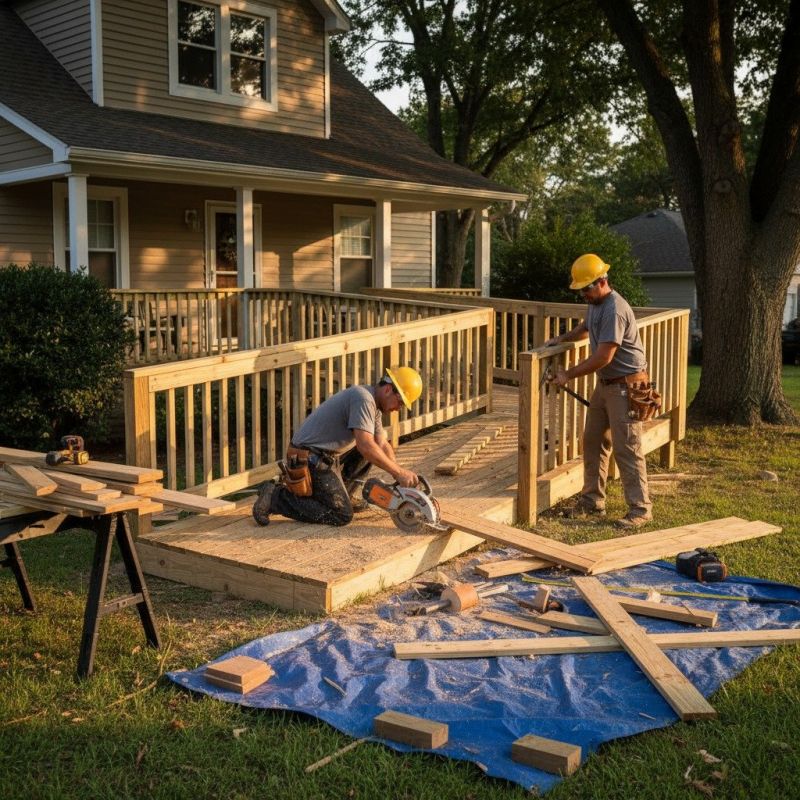
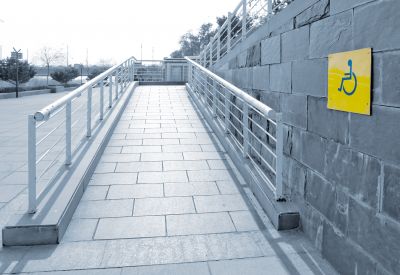
Handicap ramp installation services involve the design, construction, and placement of accessible ramps to facilitate easier movement for individuals with mobility challenges. These ramps are built to provide a smooth, stable pathway from the ground level to entry points of a home or building, ensuring safe and convenient access. Professional contractors assess the specific needs of each property, considering factors such as the height difference, space availability, and the type of property to create a customized solution that enhances accessibility.
Many common problems are addressed through handicap ramp installation. For homeowners or residents who find stairs difficult or unsafe to navigate, ramps offer a practical alternative that reduces the risk of falls and injuries. Ramps can also help those using mobility devices like wheelchairs, walkers, or scooters to access their homes independently. Additionally, they can be essential during temporary recovery from injury or surgery, providing a seamless way to move in and out of a property without added strain or discomfort.
Ramps are frequently installed on residential properties, including single-family homes, duplexes, and multi-family buildings. They are also used in commercial settings such as small businesses, community centers, and apartment complexes. Properties with uneven terrain, steps, or entryways that are not wheelchair accessible benefit from professional ramp installation. This service is particularly valuable for homes or facilities where residents, visitors, or employees require enhanced access due to age, disability, or health conditions.
Local service providers specializing in handicap ramp installation can help determine the most suitable options for different property types. They work with homeowners and property managers to evaluate access points, recommend appropriate ramp styles, and ensure the installation meets practical needs. Whether for permanent or temporary solutions, these professionals focus on creating safe, functional, and durable ramps that improve mobility and independence for those who need it most.
The overview below groups typical Handicap Ramp Installation projects into broad ranges so you can see how smaller, mid-sized, and larger jobs often compare in your area.
In many markets, a large share of routine jobs stays in the lower and middle ranges, while only a smaller percentage of projects moves into the highest bands when the work is more complex or site conditions are harder than average.
Smaller Repairs - Basic ramp repairs or modifications typically cost between $250 and $600. Many routine jobs fall within this range, covering minor adjustments or surface fixes by local contractors.
Standard Installation - Installing a new handicap ramp generally ranges from $1,000 to $3,000. Most projects of this size are straightforward and fall into this middle tier, depending on length and materials used.
Full Replacement - Replacing an existing ramp with a custom or more durable option can cost between $3,500 and $7,000. Larger, more complex projects tend to reach the higher end of this range, though fewer projects push into this tier.
Custom or Complex Projects - Extensive or highly specialized handicap ramp installations can exceed $7,000 and may reach $10,000 or more. These are less common and typically involve unique site conditions or advanced features handled by experienced local service providers.
Actual totals will depend on details like access to the work area, the scope of the project, and the materials selected, so use these as general starting points rather than exact figures.
Wheelchair Lift Installation - involves planning and installing accessible equipment that requires similar site assessment and structural considerations as ramp projects.
Accessible Bathroom Renovations - includes designing and constructing modifications that enhance mobility and safety, paralleling the planning needed for ramp installations.
Home Elevator Installation - requires precise planning and coordination to ensure accessibility, sharing skills in structural assessment and specialized equipment setup.
Stairlift Installation - involves working with existing structures to improve mobility, similar to integrating ramps into various building layouts.
Doorway and Threshold Modifications - includes widening doorways and adjusting thresholds to improve accessibility, sharing planning and construction skills with ramp projects.
Exterior Accessibility Pathways - involves creating smooth, stable walkways that connect entry points, requiring similar site preparation and material selection as ramp installations.
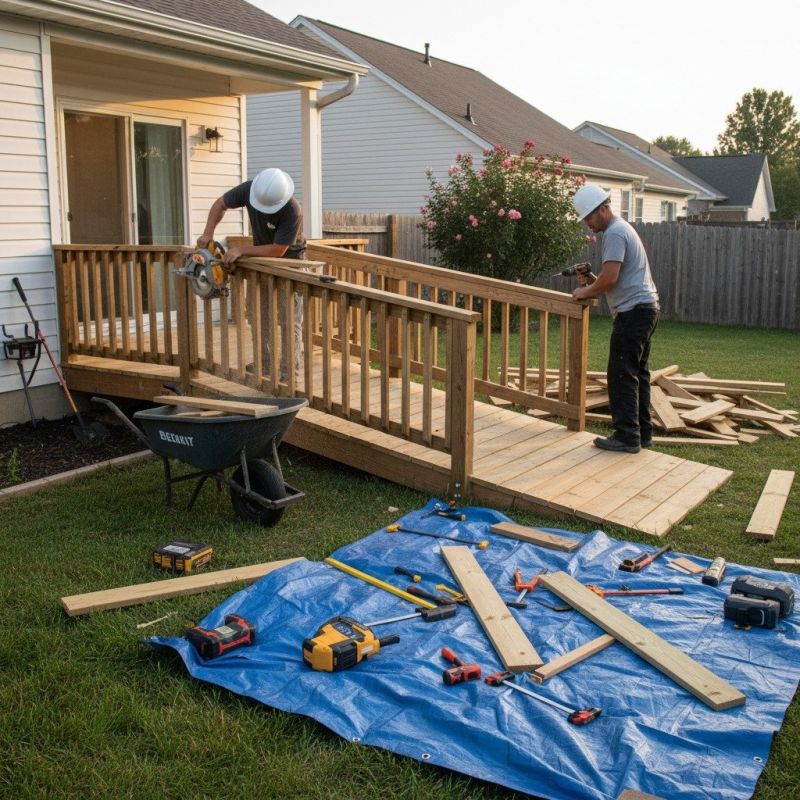
When comparing service providers for handicap ramp installation, it’s important to consider their experience with similar projects. Homeowners should look for local contractors who have a proven track record of successfully completing ramps that meet specific accessibility needs. An experienced professional will be familiar with different types of ramps, materials, and installation techniques, ensuring the project is handled efficiently and effectively. Asking about previous work or requesting examples of completed projects can provide insight into their expertise and help determine if they are well-equipped to handle the particular requirements of the job.
Clear, written expectations are essential for a smooth installation process. Homeowners should seek out local pros who provide detailed estimates and scope of work in writing. This documentation helps clarify what services will be provided, the materials used, and any other important details. Establishing transparent expectations from the outset minimizes misunderstandings and ensures everyone is aligned on the project’s goals. Service providers who communicate openly and clearly demonstrate professionalism and a commitment to meeting the homeowner’s needs.
Reputable references and good communication are key factors when choosing local contractors for handicap ramp installation. Homeowners are encouraged to ask for references from previous clients or look for reviews to gauge the quality of work and reliability. Additionally, service providers who are responsive, approachable, and willing to answer questions can foster a positive working relationship. Good communication helps ensure that any concerns are addressed promptly and that the project progresses smoothly. It is important to remember that this site introduces homeowners to local options, but the actual work is performed by the service providers selected through their own efforts.
Property owners use Handicap Ramp Installation services for practical projects around their homes and businesses. This guide focuses on everyday jobs and straightforward project options.
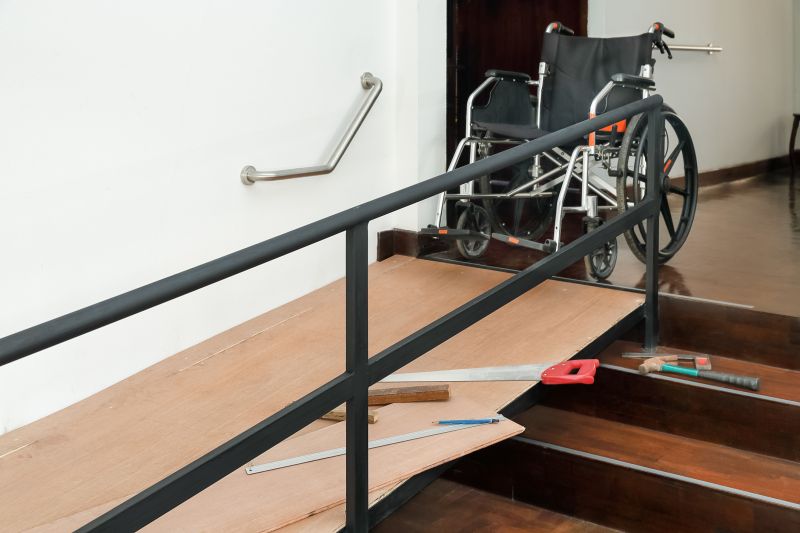
Handicap ramp installation is a common project for property owners seeking to improve accessibility around their homes or businesses. Whether it's making entryways easier to navigate for individuals with mobility challenges or ensuring compliance with accessibility standards, many local property owners look for professional services to handle the work. These projects often arise from everyday situations such as aging in place, accommodating visitors with mobility needs, or updating older properties to meet current accessibility requirements.
Local contractors who specialize in handicap ramp installation can provide solutions tailored to a variety of property types and needs. From residential homes to commercial buildings, service providers can help create safe, functional ramps that enhance ease of access. Property owners may seek these services to improve safety, increase independence for loved ones, or simply make their property more welcoming for everyone. Connecting with experienced local pros ensures the work is handled efficiently and in accordance with the specific demands of each project.
What types of handicap ramps are available for installation? Local contractors can install various types of ramps, including portable, modular, and custom-built options to suit different needs and spaces.
How do I determine the best ramp type for my property? Service providers can assess your location and mobility requirements to recommend the most appropriate ramp solution.
Are there different materials used for handicap ramps? Yes, local pros typically work with materials like aluminum, wood, and steel, each offering different durability and aesthetics.
Can handicap ramps be installed indoors and outdoors? Yes, professional installers can handle ramp installations in both indoor and outdoor settings, ensuring safety and accessibility.
What factors influence the installation process of a handicap ramp? Factors such as space availability, terrain, and the type of ramp chosen can affect how the installation is carried out by local contractors.
Wheelchair Accessibility - Installing a ramp can make it easier for individuals using wheelchairs or mobility scooters to access a home or business. Local contractors can help create a safe and functional entryway for daily use.
Stroller and Baby Carrier Use - A handicap ramp provides a smooth surface for strollers and baby carriers, making it simpler to carry children in and out of the building. Service providers can assist in designing a convenient entry for families.
Elderly or Limited Mobility Access - Ramps offer safer and more comfortable entry points for seniors or those with limited mobility, helping them maintain independence. Local pros can install ramps that suit various property layouts and needs.
Temporary or Permanent Access Solutions - Whether for a long-term upgrade or a temporary situation, ramps can improve accessibility for visitors or residents with different mobility requirements. Local contractors can customize solutions to fit specific property conditions.
If you are thinking about Handicap Ramp Installation for a property, this guide is meant to help you understand the work, the typical project types, and how different options might fit your plans.
When you are ready, you can use the quote form on this page to share a few details about your project. From there, local pros can review the basics and respond with options that match what you have in mind.